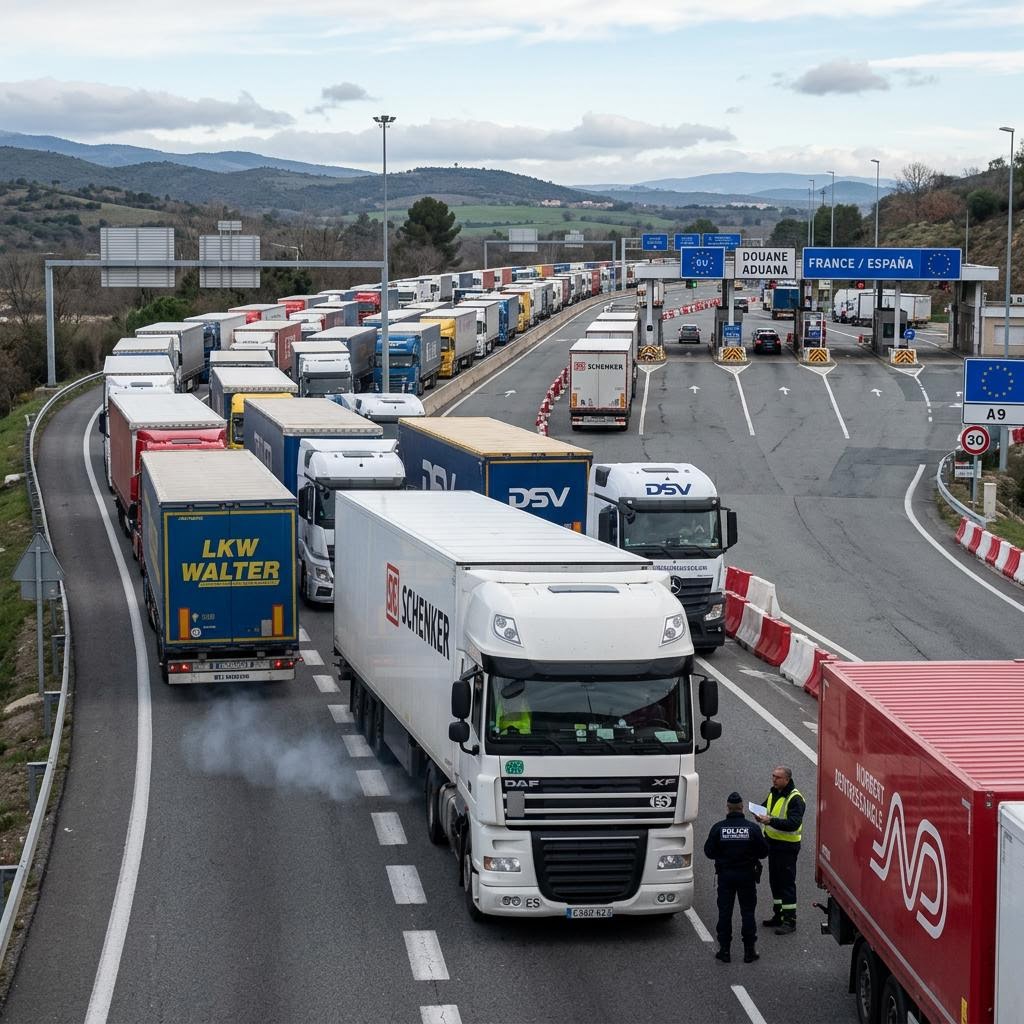
EU CSDDD enforcement window opens for first wave of in-scope companies
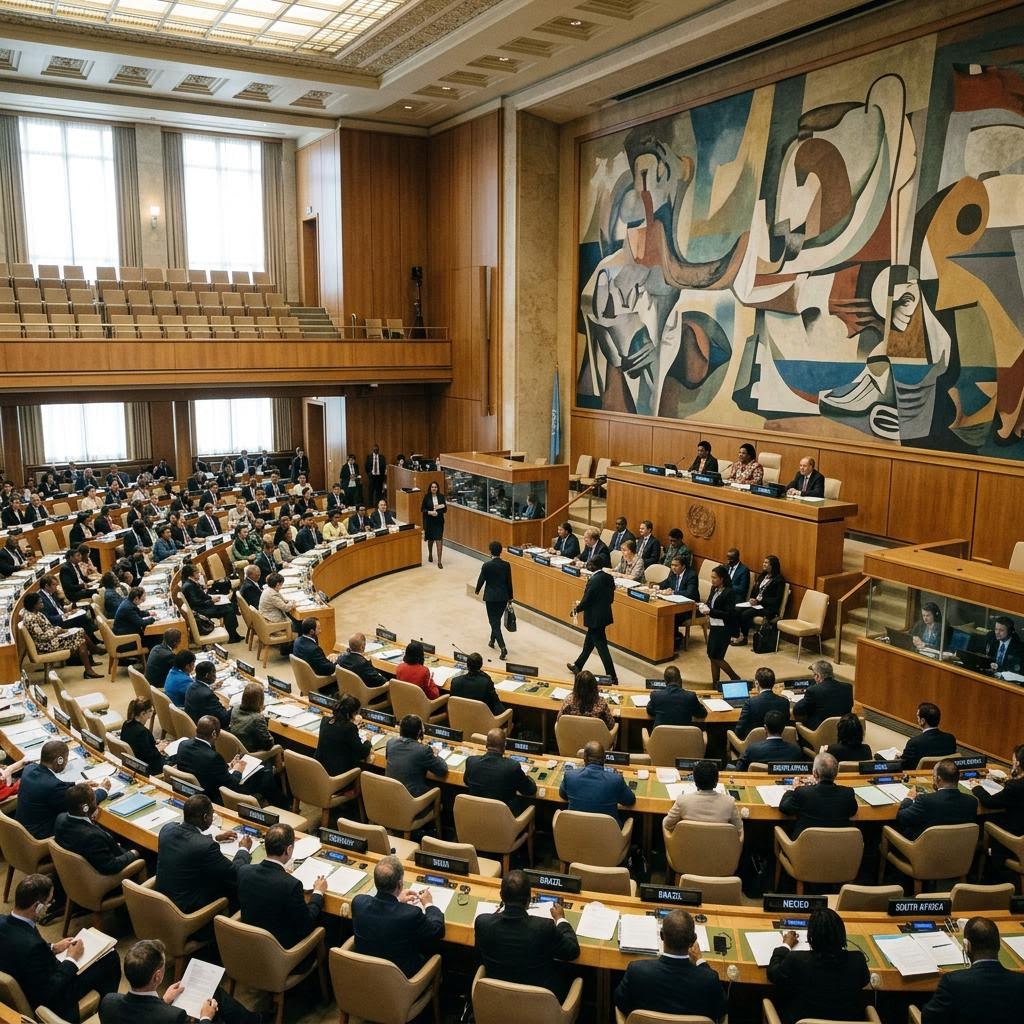
Supervisory authorities across member states begin accepting complaints against companies in the first CSDDD compliance cohort, marking a shift from preparation to enforcement.
Reporting on modern slavery law, enforcement, research and the global movement to end forced labour — curated weekly by our compliance intelligence team.

Supervisory authorities across member states begin accepting complaints against companies in the first CSDDD compliance cohort, marking a shift from preparation to enforcement.

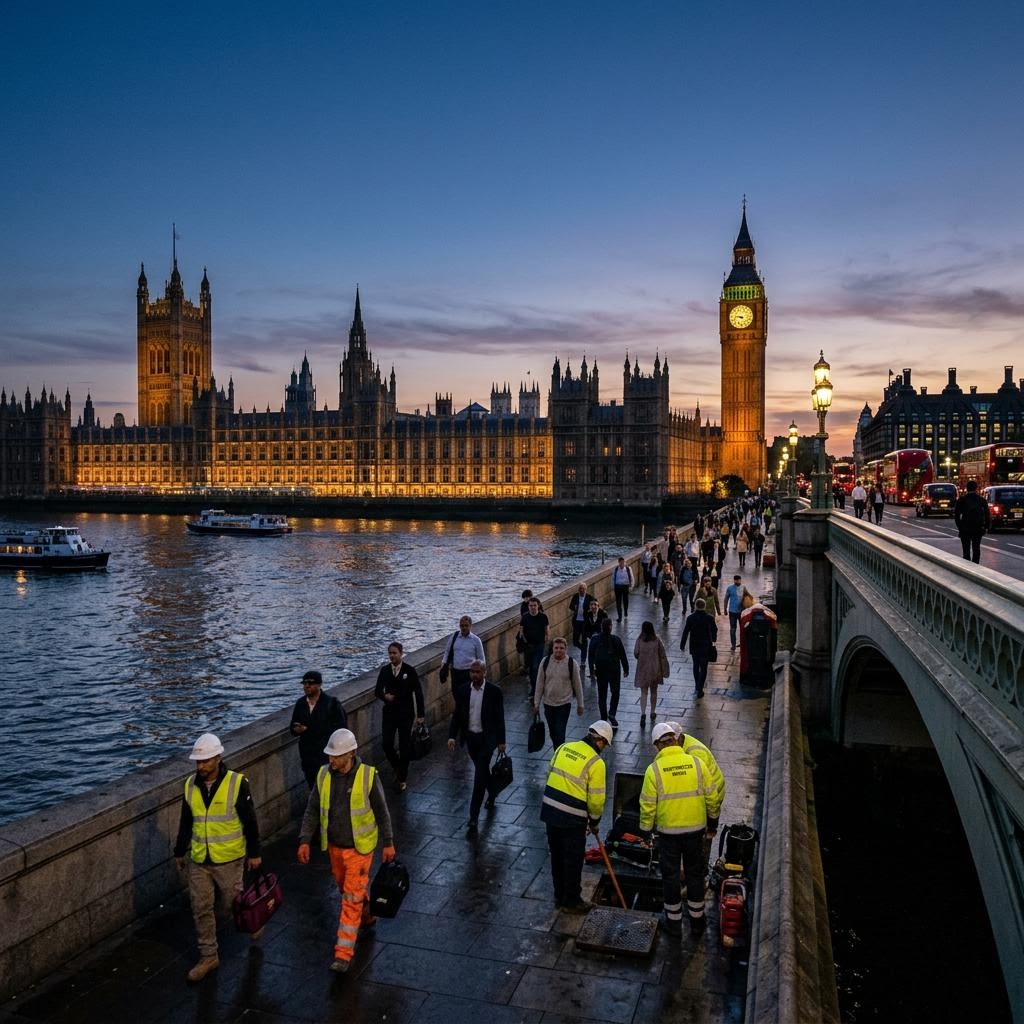
Westminster passes long-awaited amendments replacing the comply-or-explain statement regime with mandatory due diligence duties and financial penalties for non-reporting.

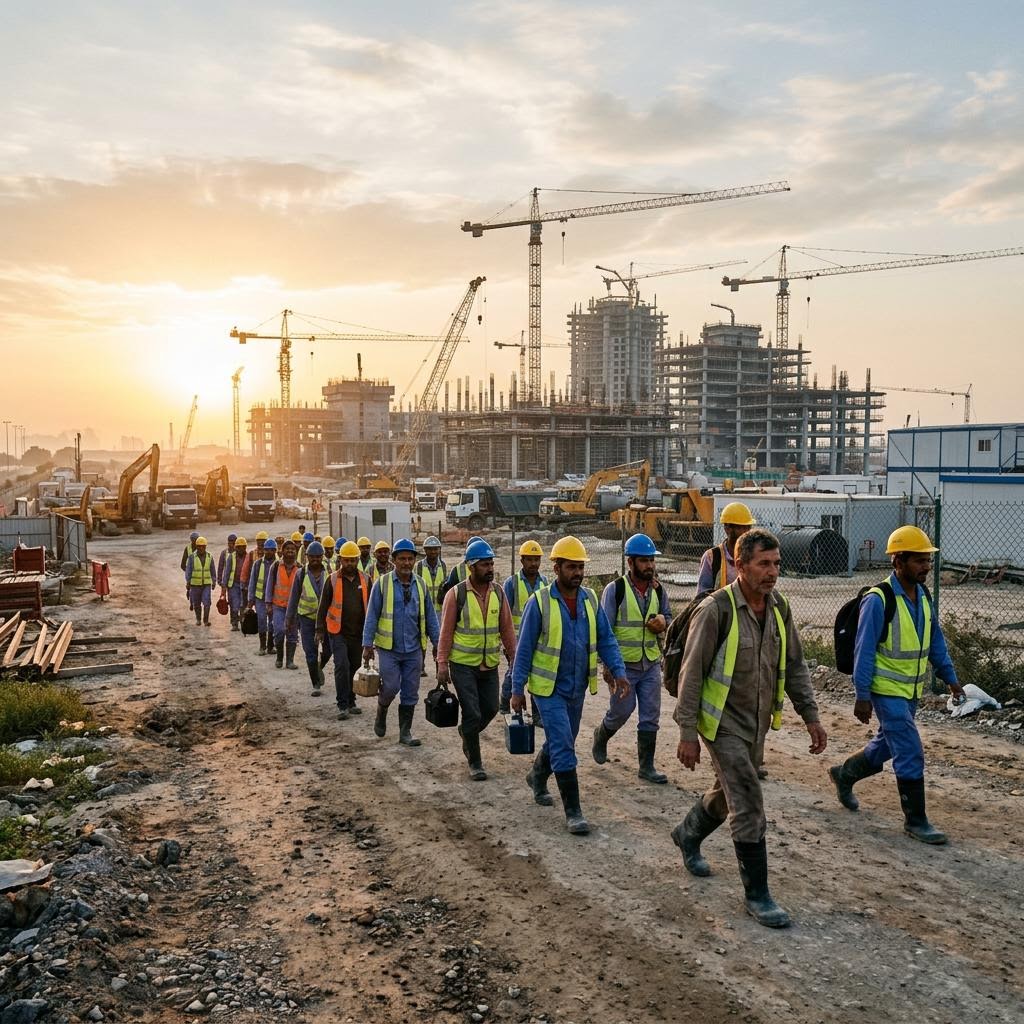
New ILO and Walk Free joint estimates show forced labour rising in global supply chains, with the strongest growth in agriculture, construction and electronics manufacturing.

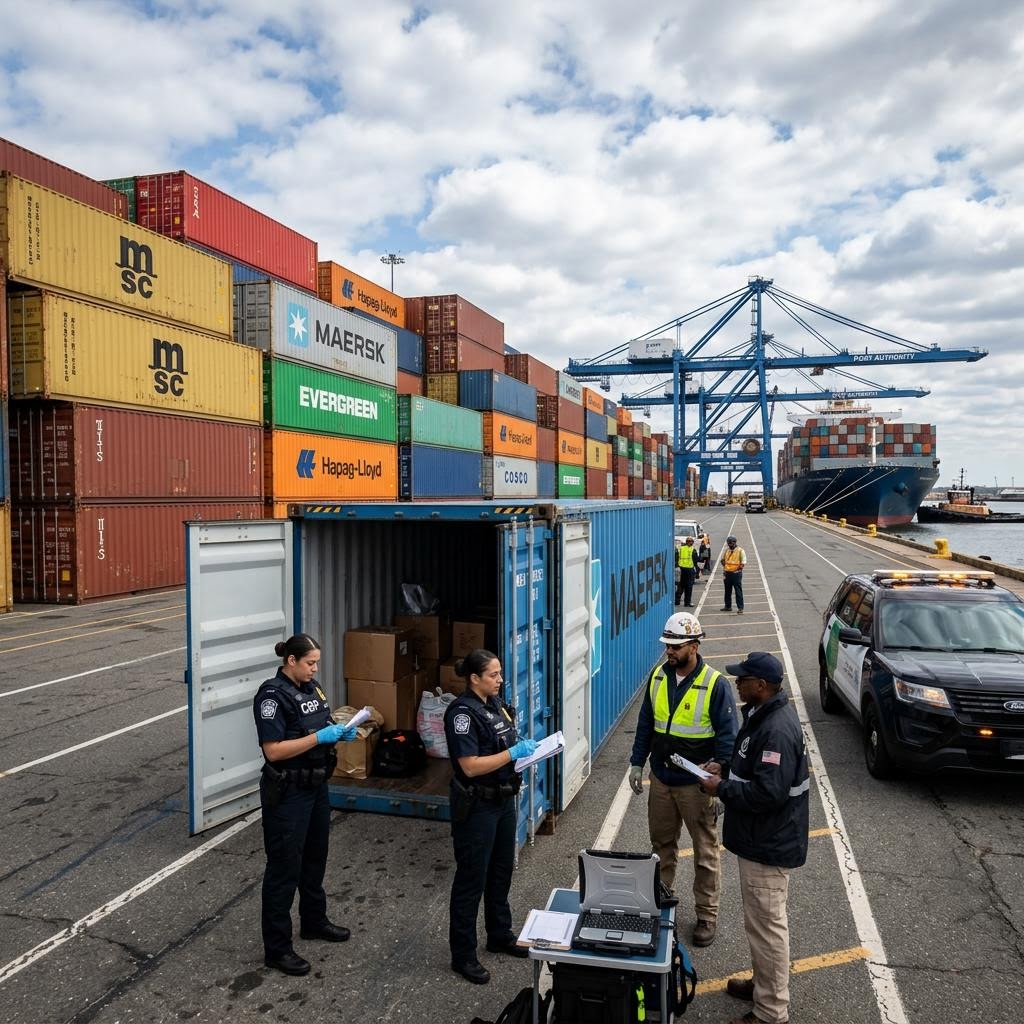
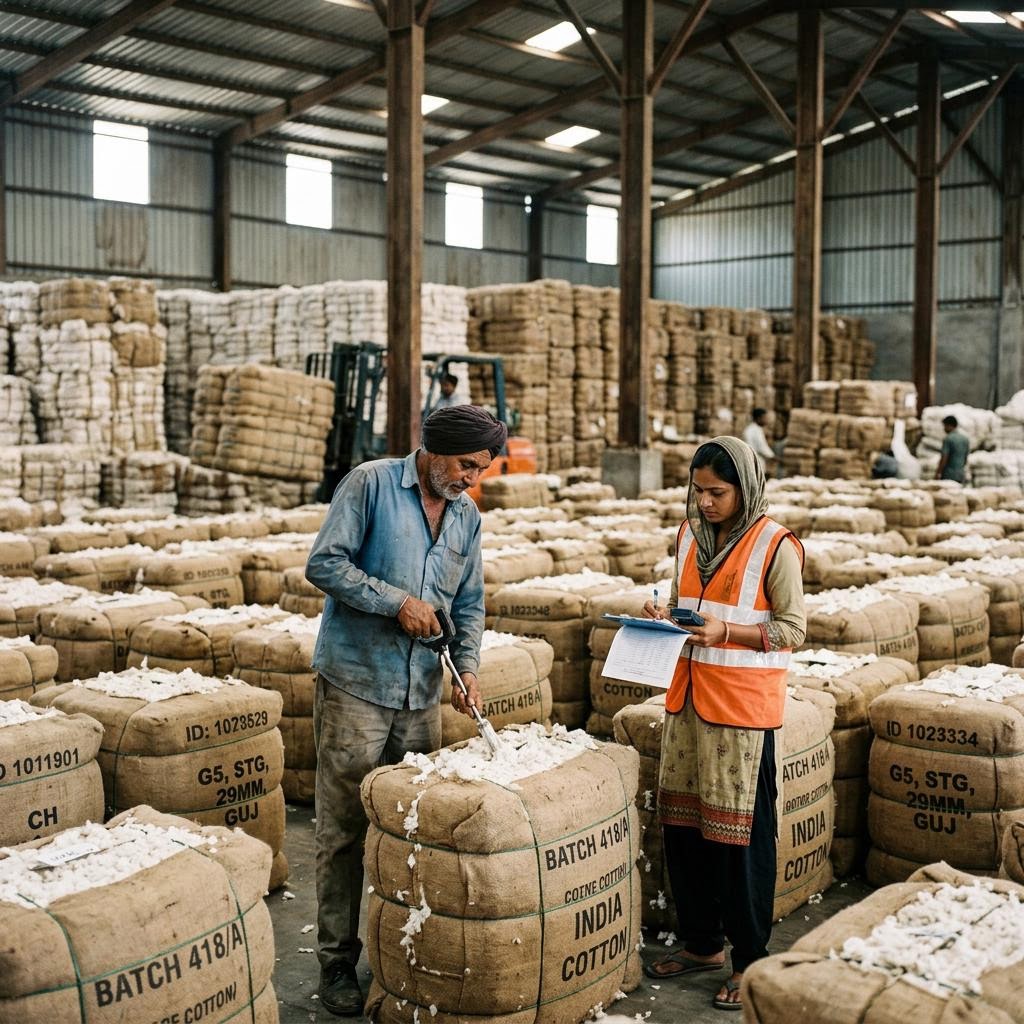
CBP reports its largest quarterly detention volume since the Uyghur Forced Labor Prevention Act took effect, with cotton and polysilicon goods dominating enforcement actions.

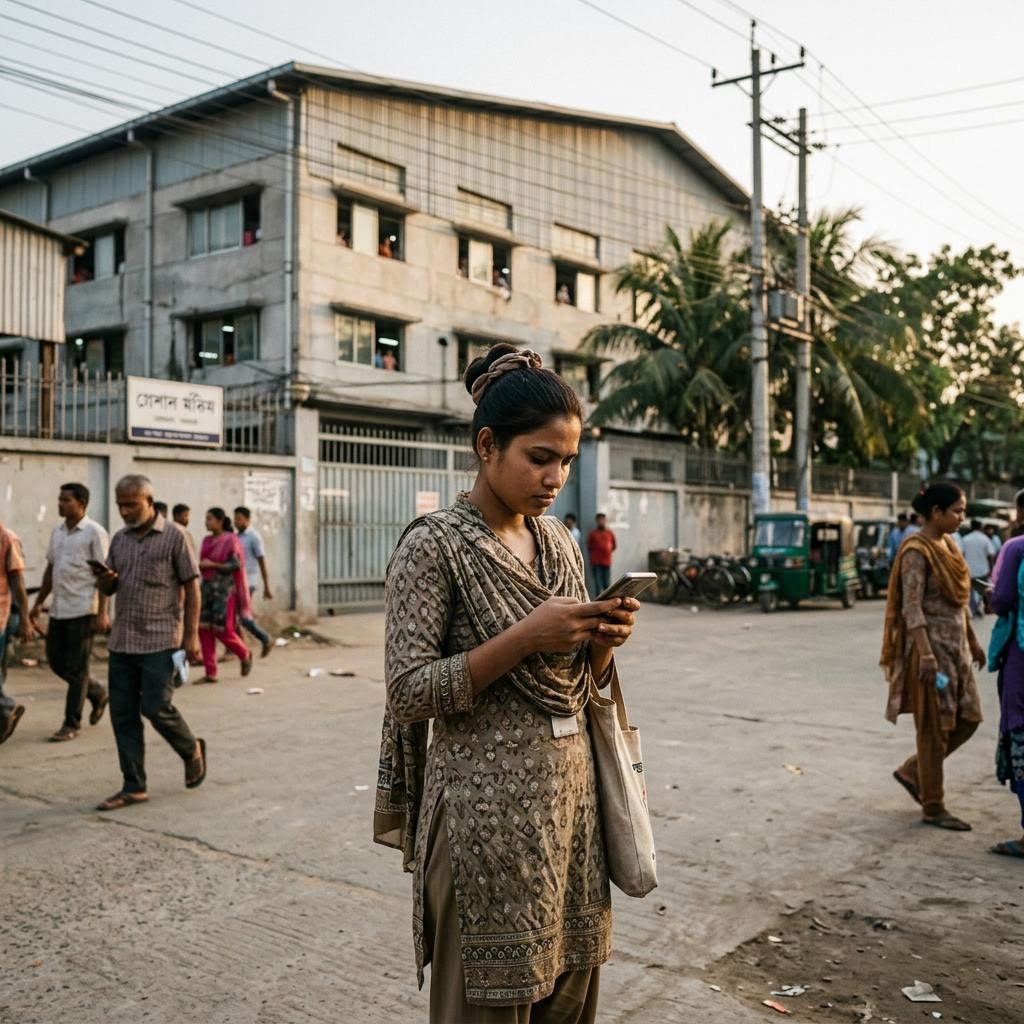
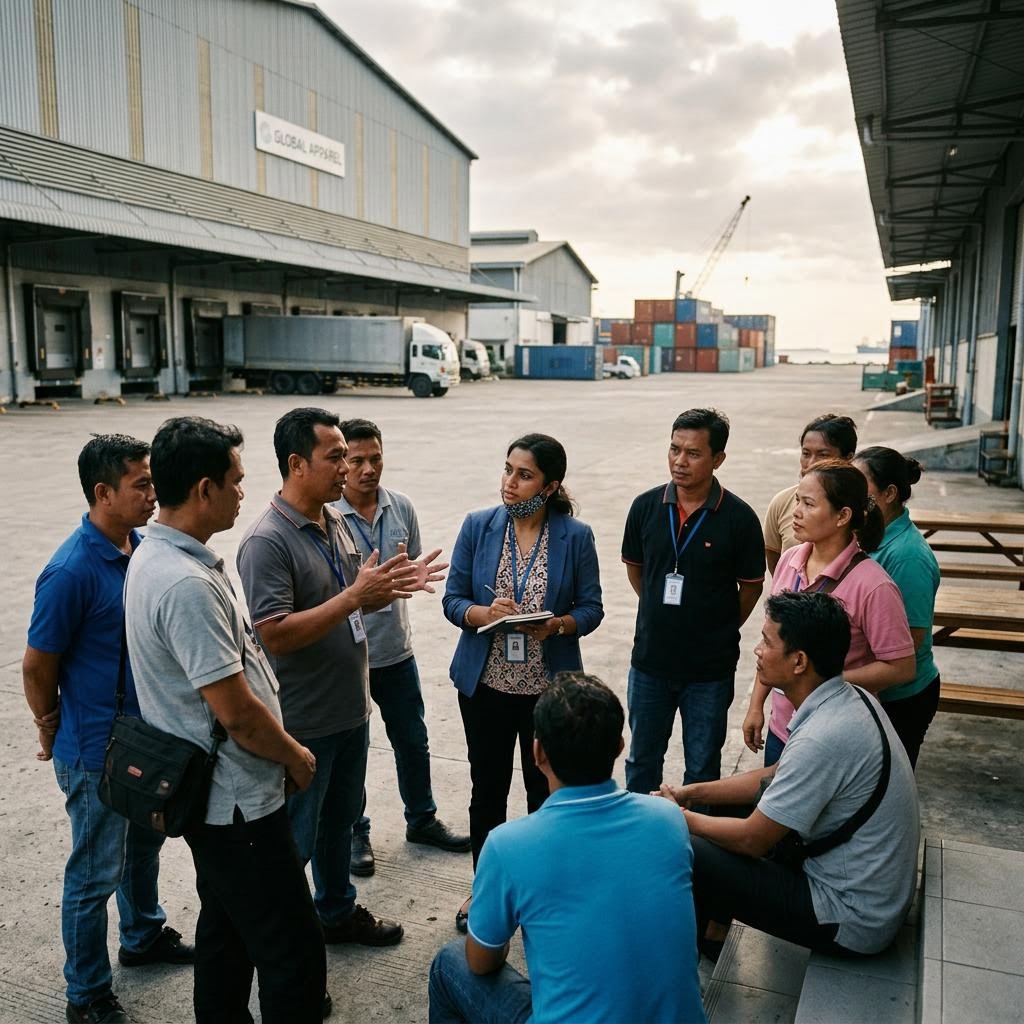
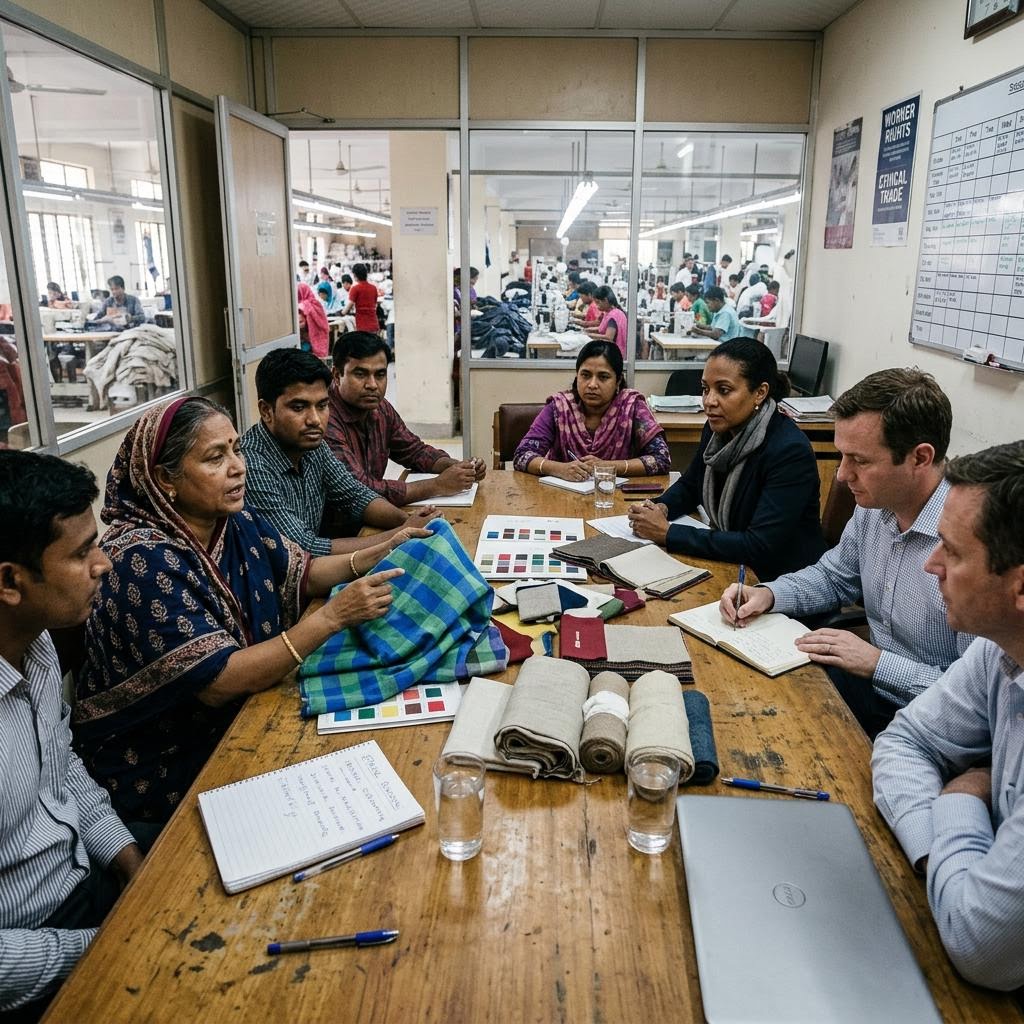
Anonymous grievance and survey channels now cover a fifth of export-oriented garment workers in the region, giving brands earlier warning of labour abuses than audits alone.

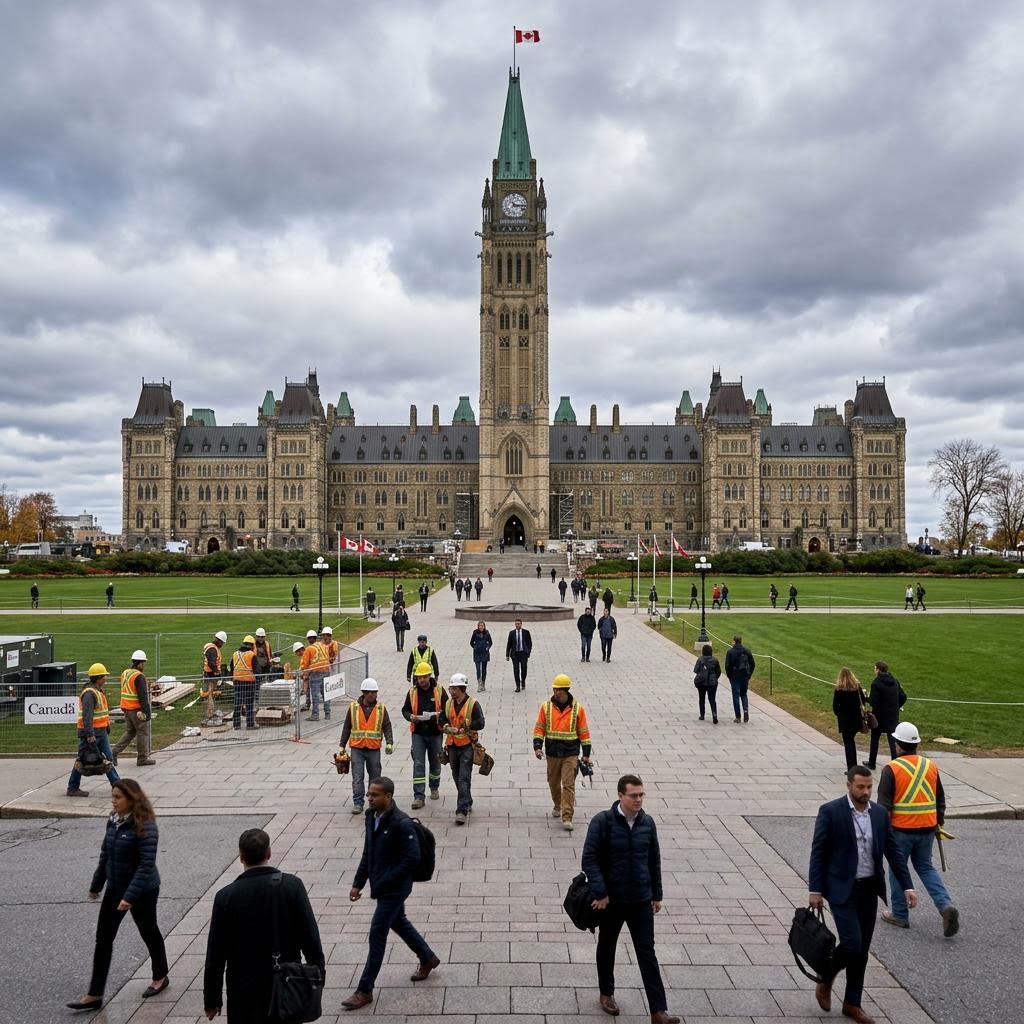
Analysis of year-two filings under Canada's Fighting Against Forced and Child Labour Act shows more companies admitting findings — and regulators say that is the point.

Canberra adopts key recommendations of the statutory review, dropping the reporting threshold to A$50 million and introducing penalties administered by the Anti-Slavery Commissioner.

Forensic origin testing, once reserved for disputed shipments, is being written into supplier contracts as standard verification for high-risk cotton supply chains.

The Diet approves legislation converting METI's 2022 guidelines into binding obligations for large listed companies, aligning Japan with the EU regime.

A joint inspection regime targets at-sea transshipment, the practice that keeps fishing crews at sea for years and beyond the reach of port-based labour inspections.

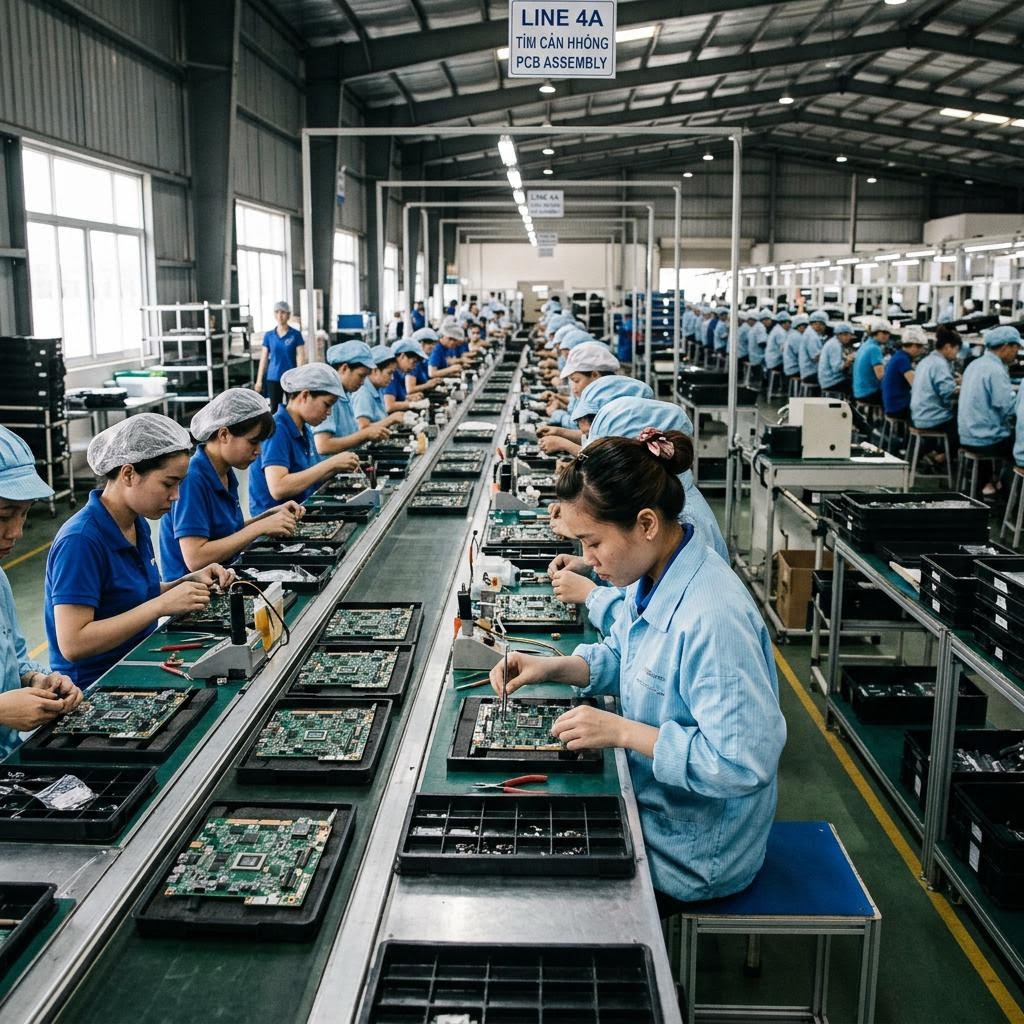
More than 200 electronics suppliers have now repaid recruitment fees to migrant workers, with reimbursements exceeding $120 million since 2020.

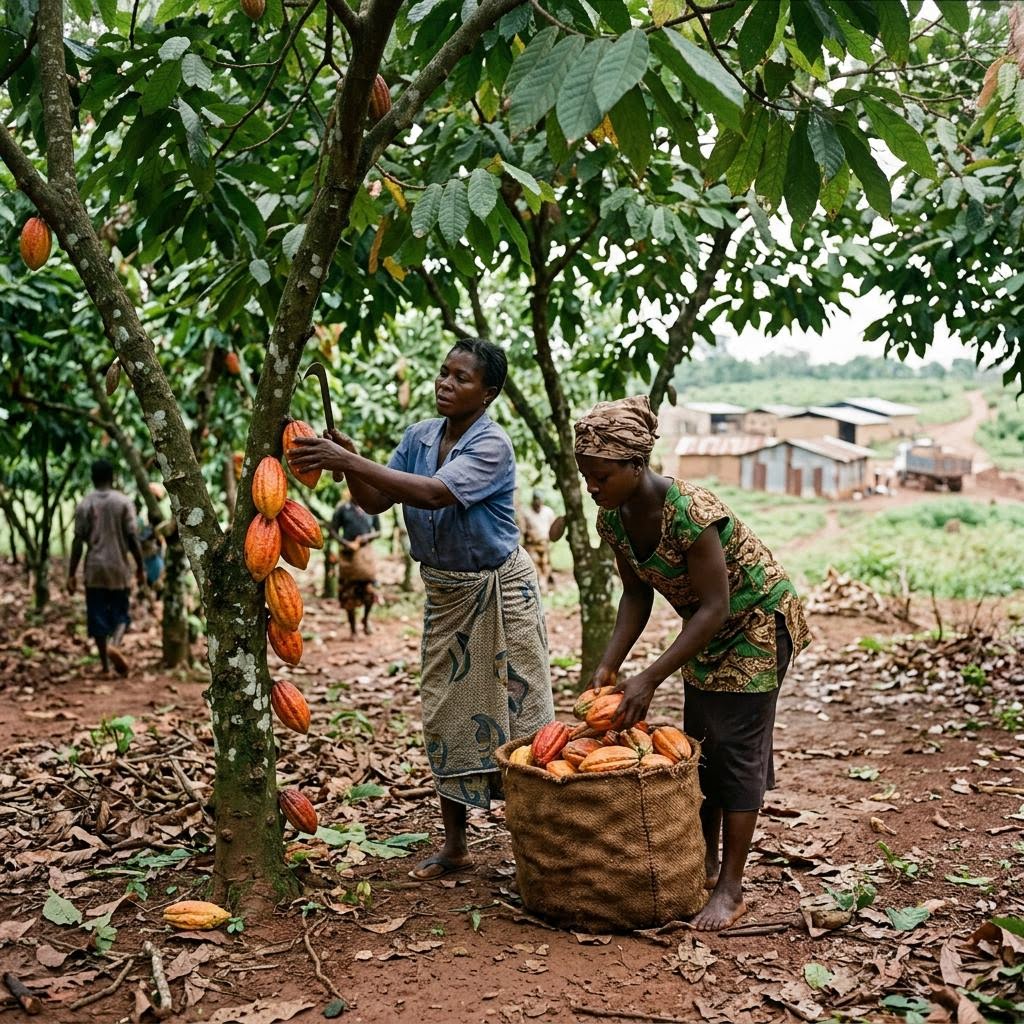
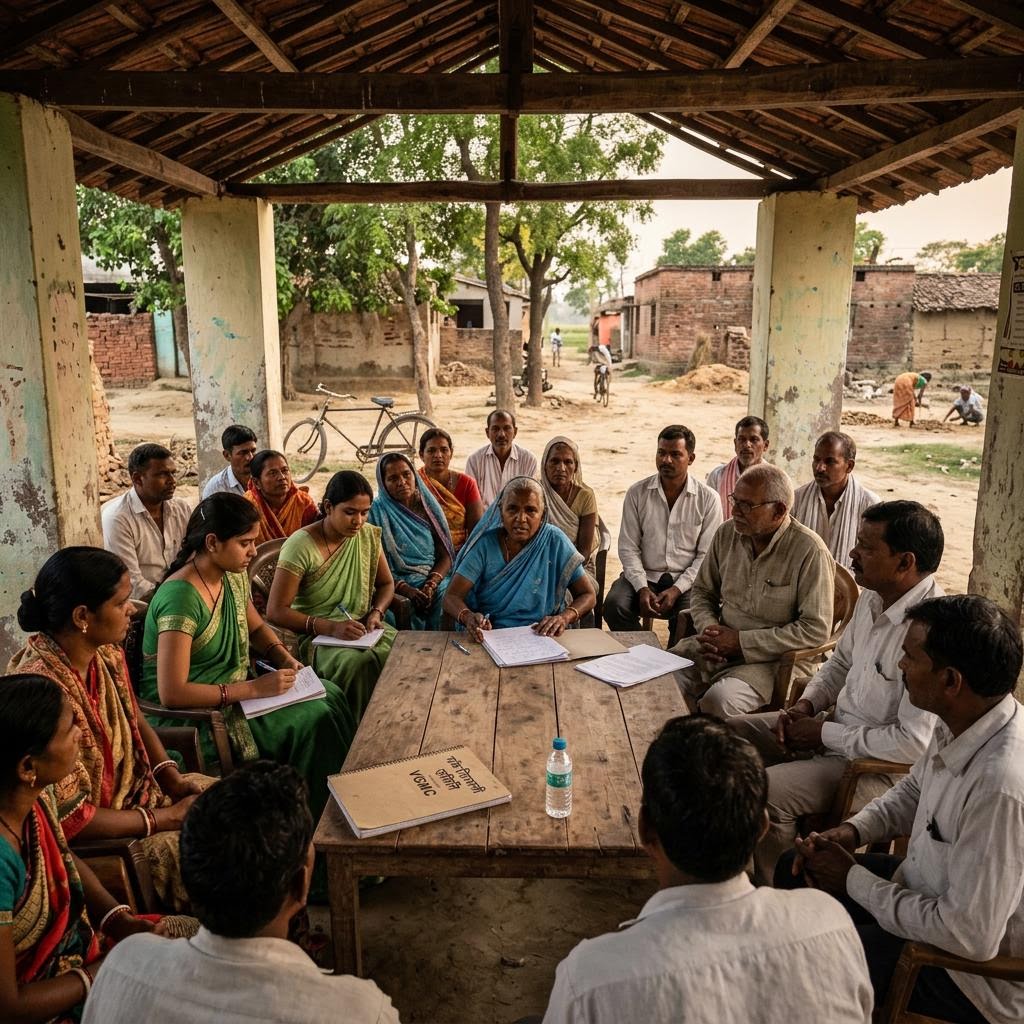
Child Labour Monitoring and Remediation Systems have scaled dramatically in Côte d'Ivoire and Ghana, but researchers warn coverage is not the same as elimination.
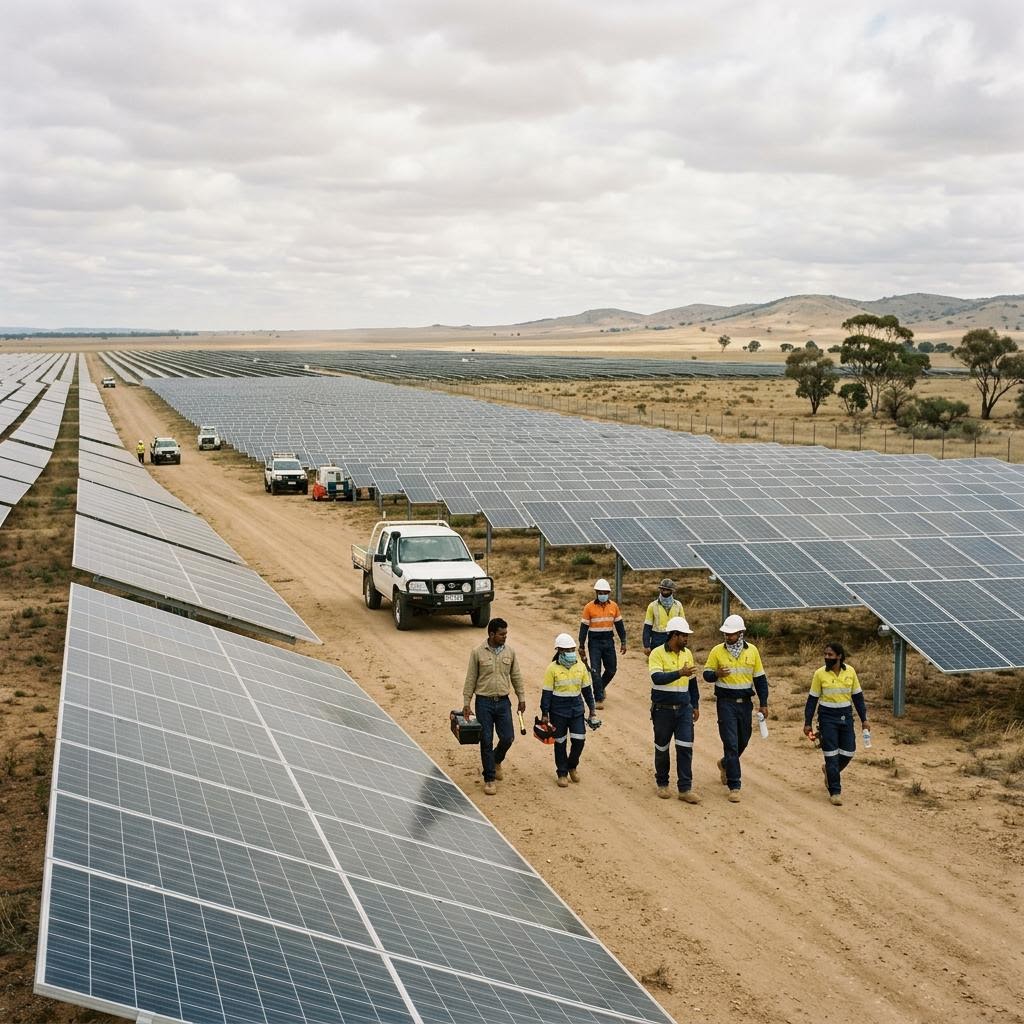
A consortium of module makers completes third-party verification of a polysilicon chain traced from quartz to panel, meeting UFLPA evidentiary standards.

The EU's product ban regime sees its first formal investigation, targeting imported PVC gloves after submissions from civil society investigators.

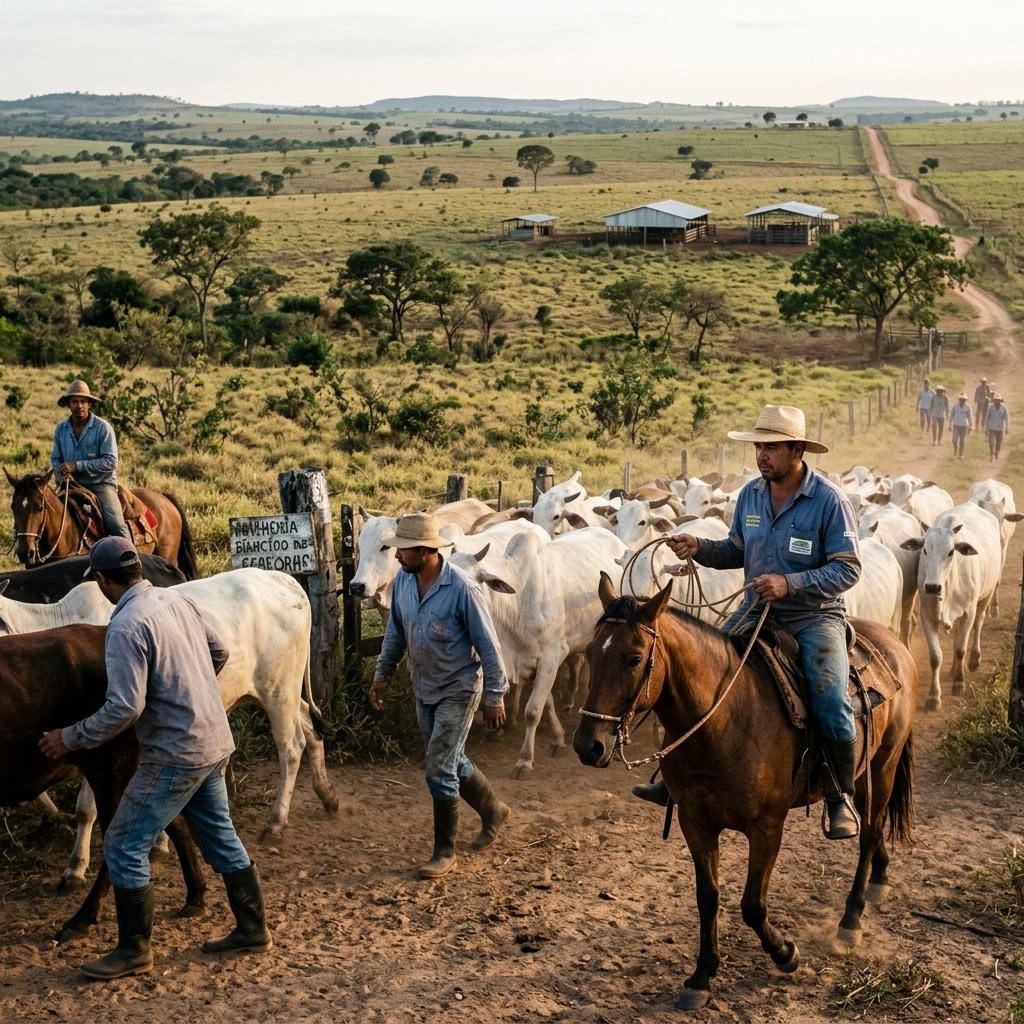
Labour inspectors rescued over 3,000 workers from slavery-like conditions last year, with cattle ranching, coffee and charcoal production leading the sectors implicated.

A five-year academic review of corporate grievance channels finds most complaints stall before remedy, and identifies the design features that separate effective mechanisms.

A multi-state operation frees over 4,800 workers from debt bondage, the largest coordinated action since the Bonded Labour Abolition Act was passed.

Machine learning applied to satellite imagery is helping investigators identify informal worker housing, night-shift patterns and unregistered facilities in high-risk regions.

New wage ladder data shows median garment wages closing on living wage benchmarks in Vietnam and Indonesia, while Bangladesh and Myanmar fall further behind.

Two retailers are fined for failing to respond to consumer information requests within the statutory deadline, establishing precedent for the Act's duty to inform.

Independent monitoring of post-kafala reforms finds wage protection systems and job mobility rules reducing — though not eliminating — forced labour indicators.

Anomaly detection trained on thousands of social audit reports learns to spot coached interviews, cloned time records and template-generated wage data.

Mexico's labour ministry blocks tomato imports linked to documented forced labour, exercising powers adopted under USMCA commitments for the first time.

Companies are bringing survivors of forced labour into remediation programme design, and early evidence suggests outcomes improve when lived experience shapes remedy.

The International Transport Workers' Federation logs the highest number of crew abandonment cases ever recorded, urging cargo owners to vet vessel operators.

Germany's supervisory authority shares patterns from LkSG compliance reviews: risk analysis is improving, but remediation tracking remains the weakest control.

ILO Convention 189 hits a milestone fifteen years after adoption, but an estimated 3.3 million domestic workers remain in situations meeting the definition of forced labour.

After years of hype, supply chain traceability projects converge on a simpler truth: the ledger matters less than verifying what gets written to it.

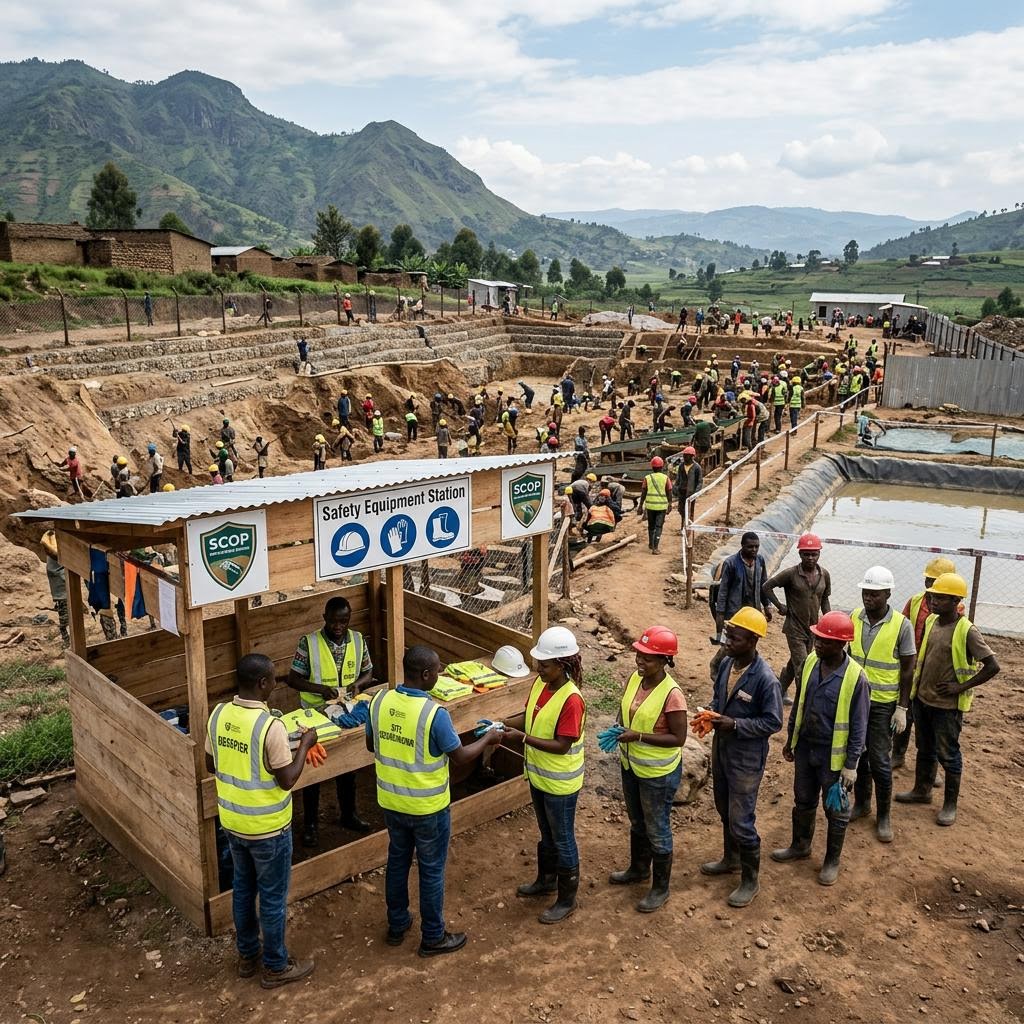
DRC formalisation zones with child labour monitoring and fair pricing now supply certified artisanal cobalt to major battery makers.

The Paris judicial court issues its most detailed duty of vigilance ruling yet, specifying what an adequate risk mapping and stakeholder consultation must contain.

Twenty major apparel buyers commit to enforceable payment terms, costing floors and forecasting standards that address the buyer behaviours linked to labour abuse.

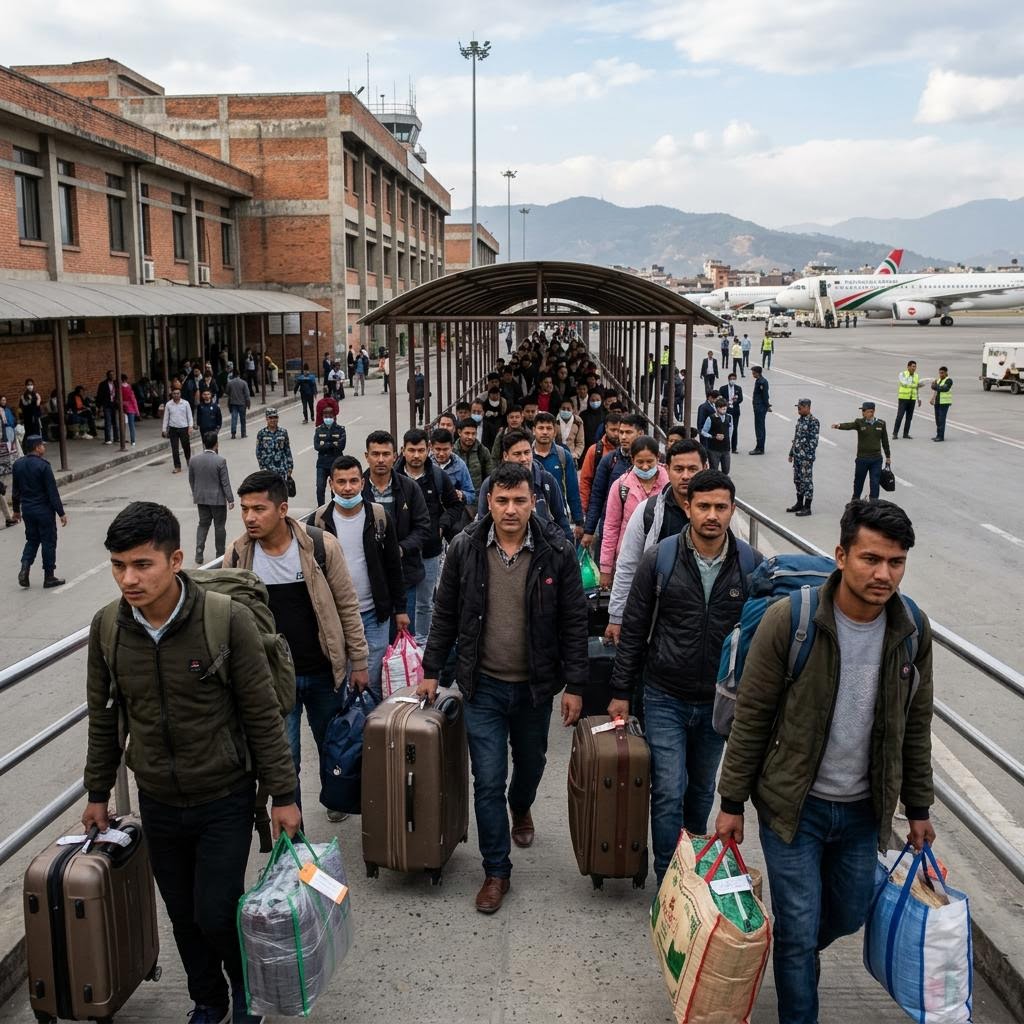
The government-to-government labour corridor eliminating worker-paid fees now covers 60,000 placements annually, becoming a template for other migration routes.

CBP begins detaining goods at distribution rather than only at ports of entry, and adds importers of record to a public non-compliance register.

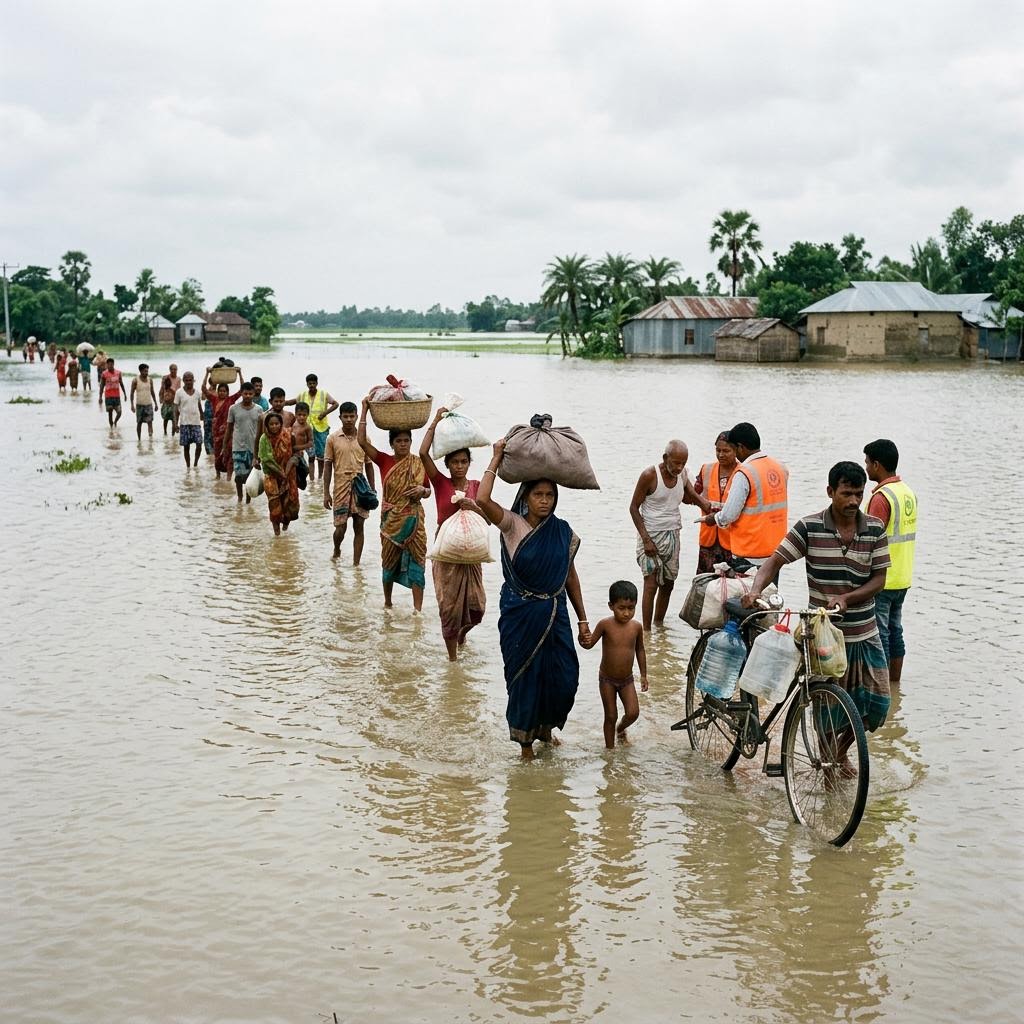
New research maps how climate-driven displacement in South Asia and the Sahel channels vulnerable populations into exploitative recruitment networks.

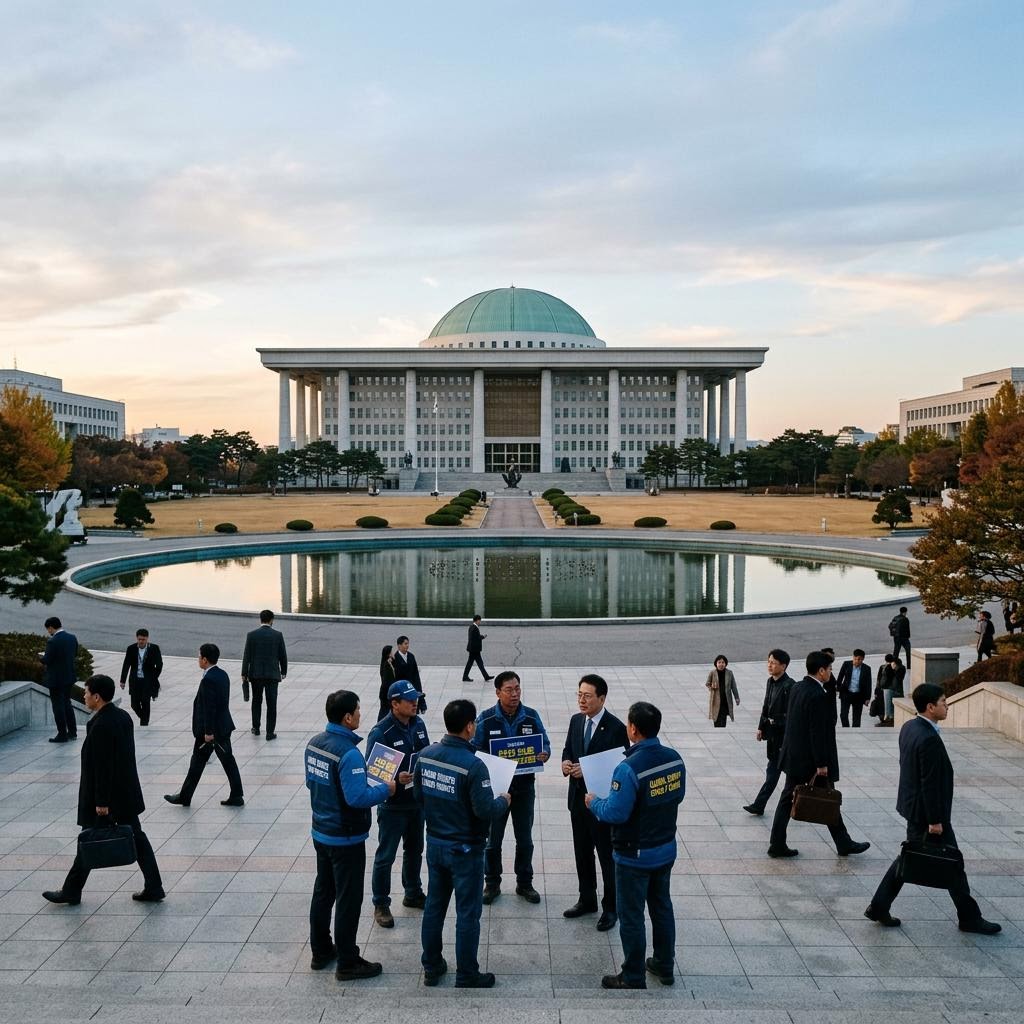
The National Assembly takes up legislation modelled on the EU directive, extending Korea's ESG disclosure regime into mandatory human rights due diligence.

Major hospitality chains standardise staff training and reporting procedures for identifying trafficking victims, covering 4 million rooms worldwide.

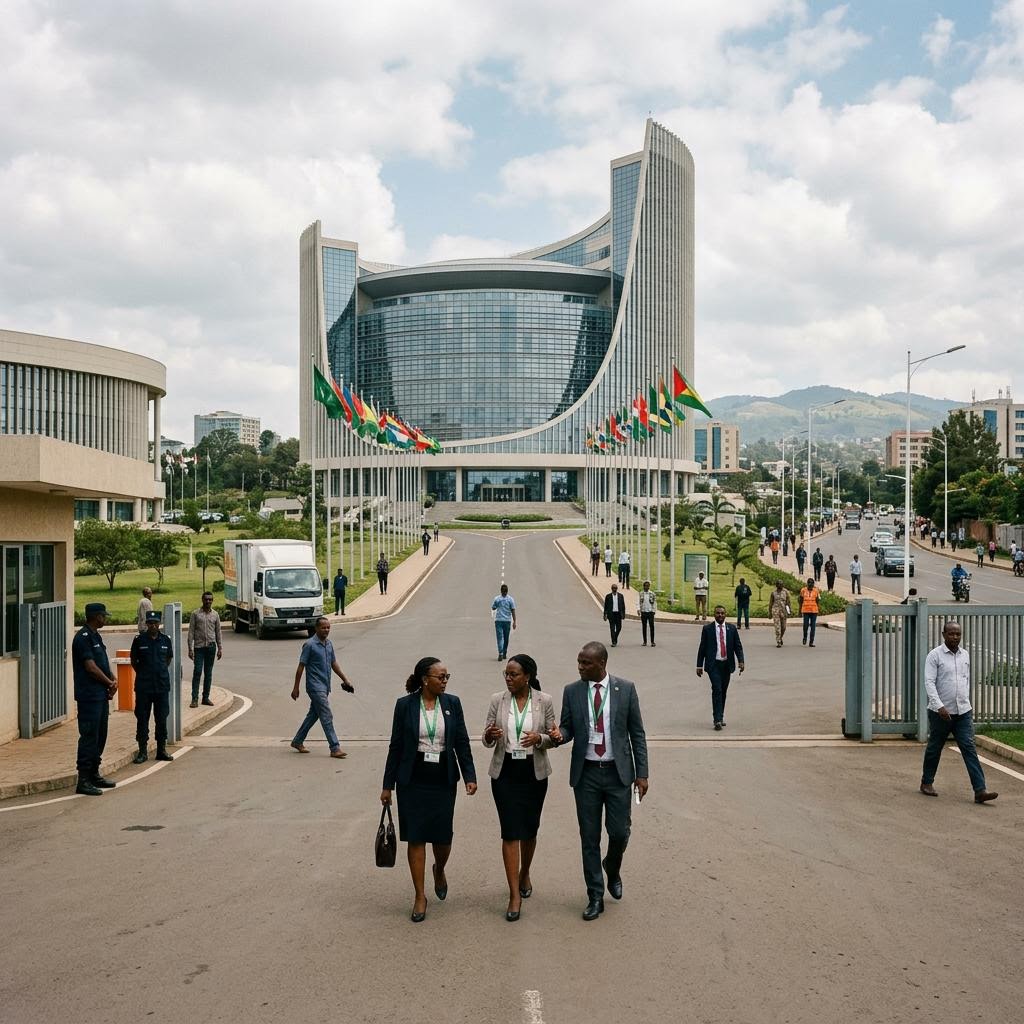
The AU's labour migration framework gains binding protocols on recruitment standards, aiming to protect the continent's fast-growing migrant workforce.

Institutional investors give portfolio companies eighteen months to demonstrate effective human rights due diligence or face votes against directors.

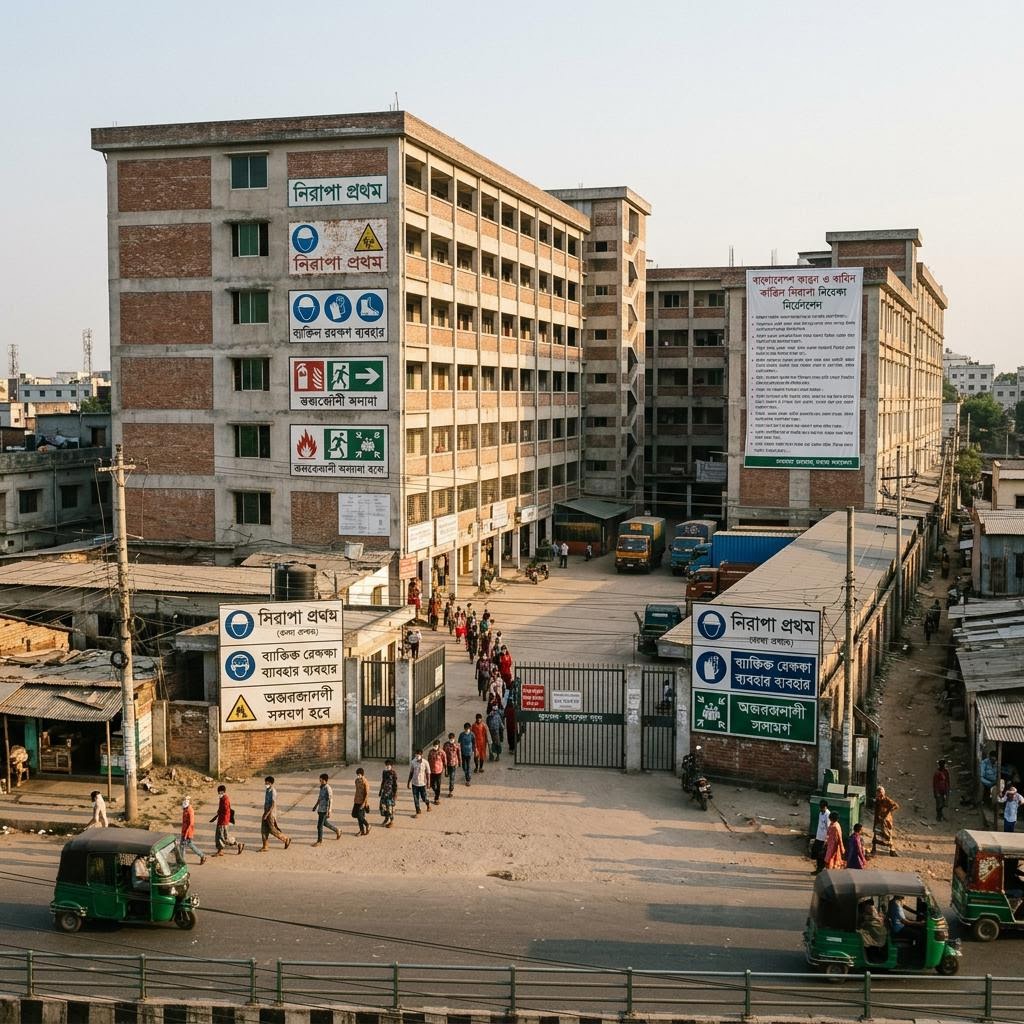
The binding safety agreement that transformed structural safety after Rana Plaza expands its scope to cover freedom of association and wage compliance.

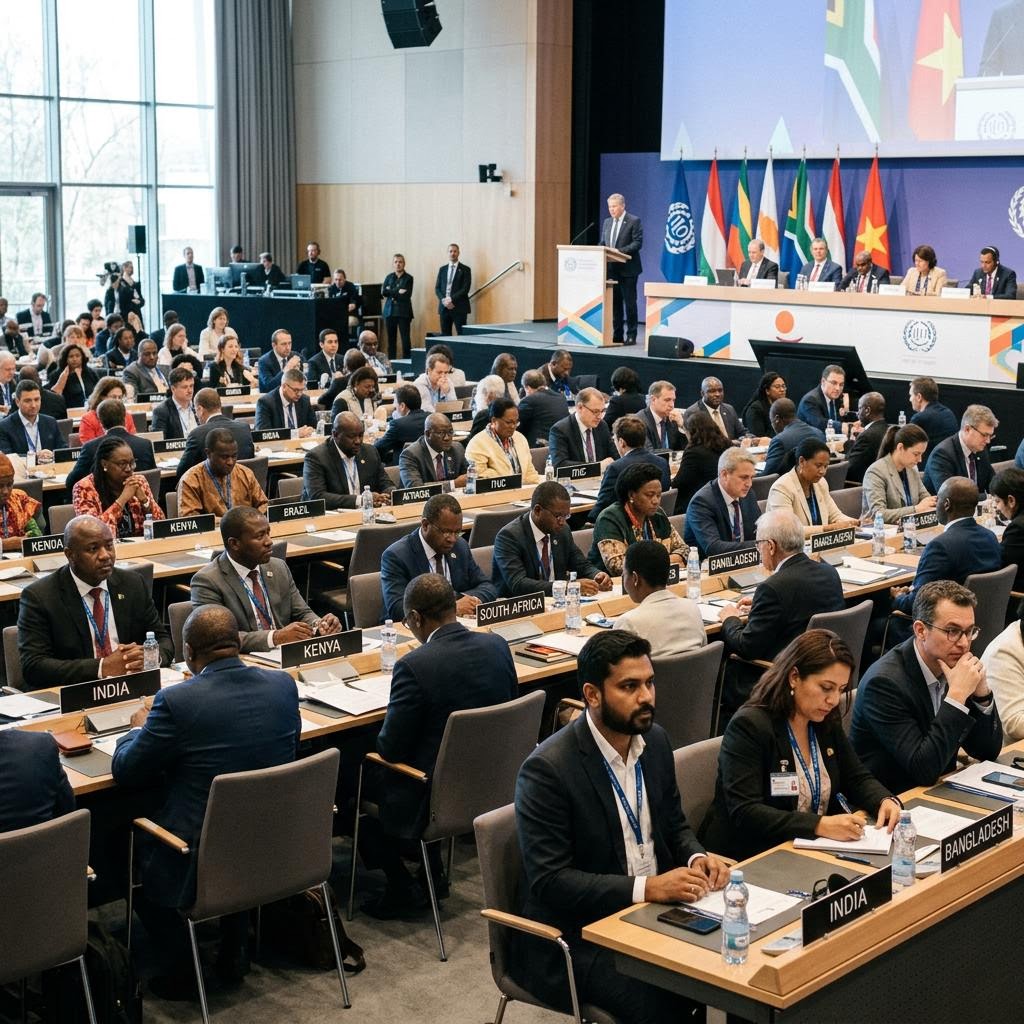
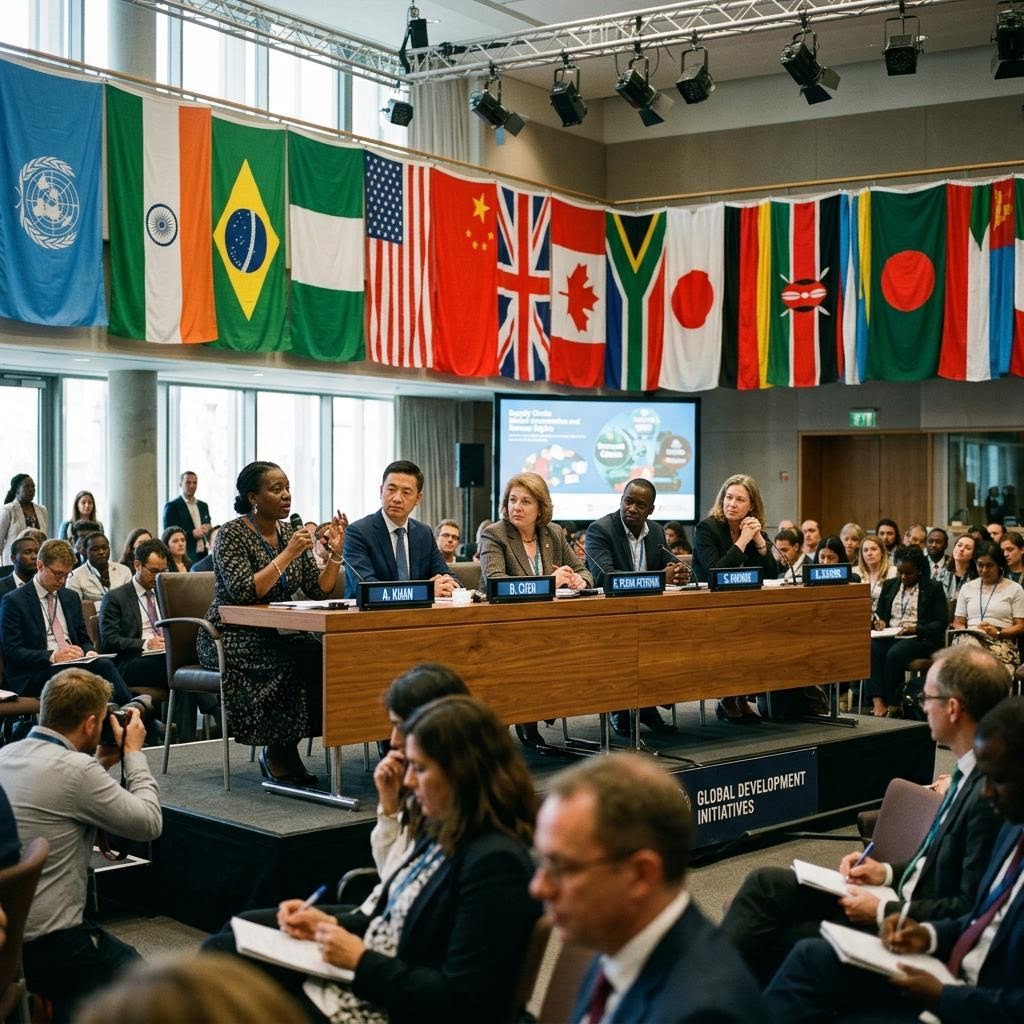
After a decade of negotiations, states agree on the treaty's scope and legal liability provisions, setting a path toward adoption within two years.

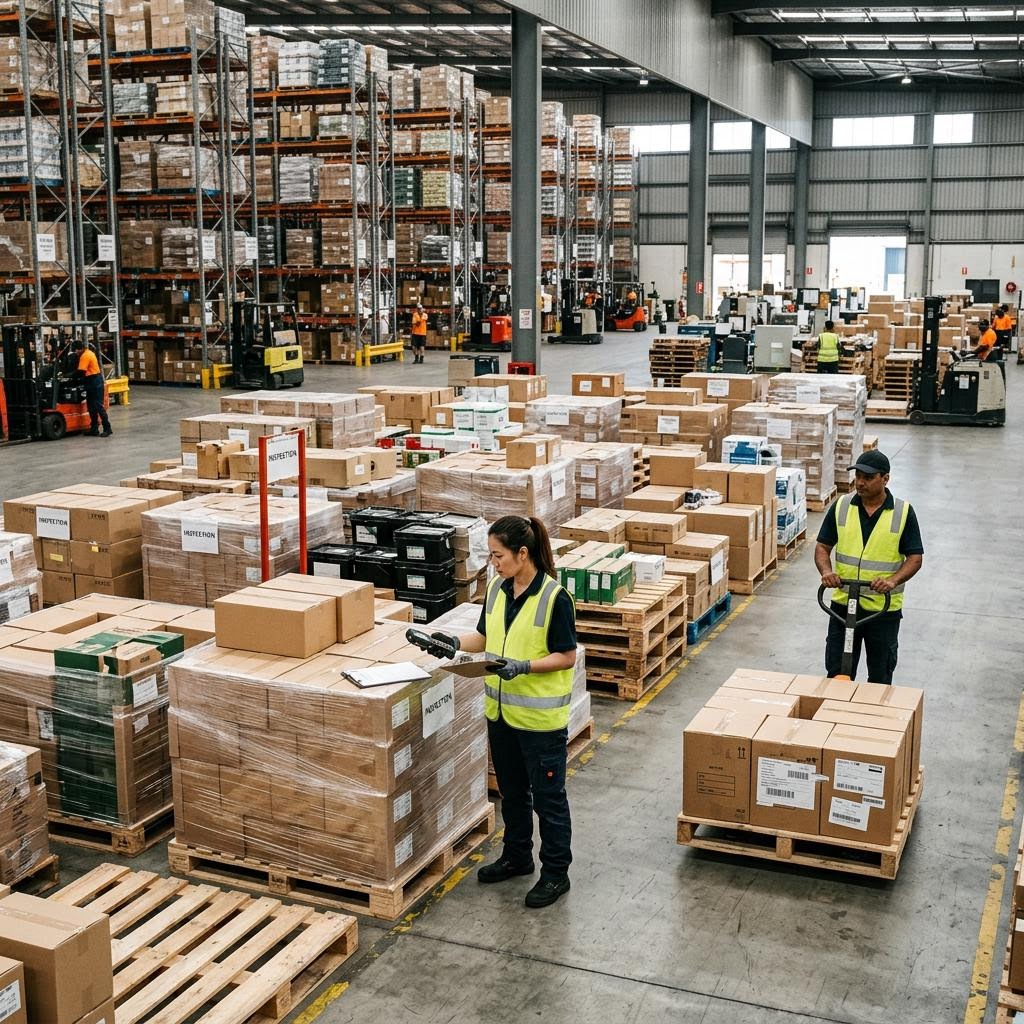
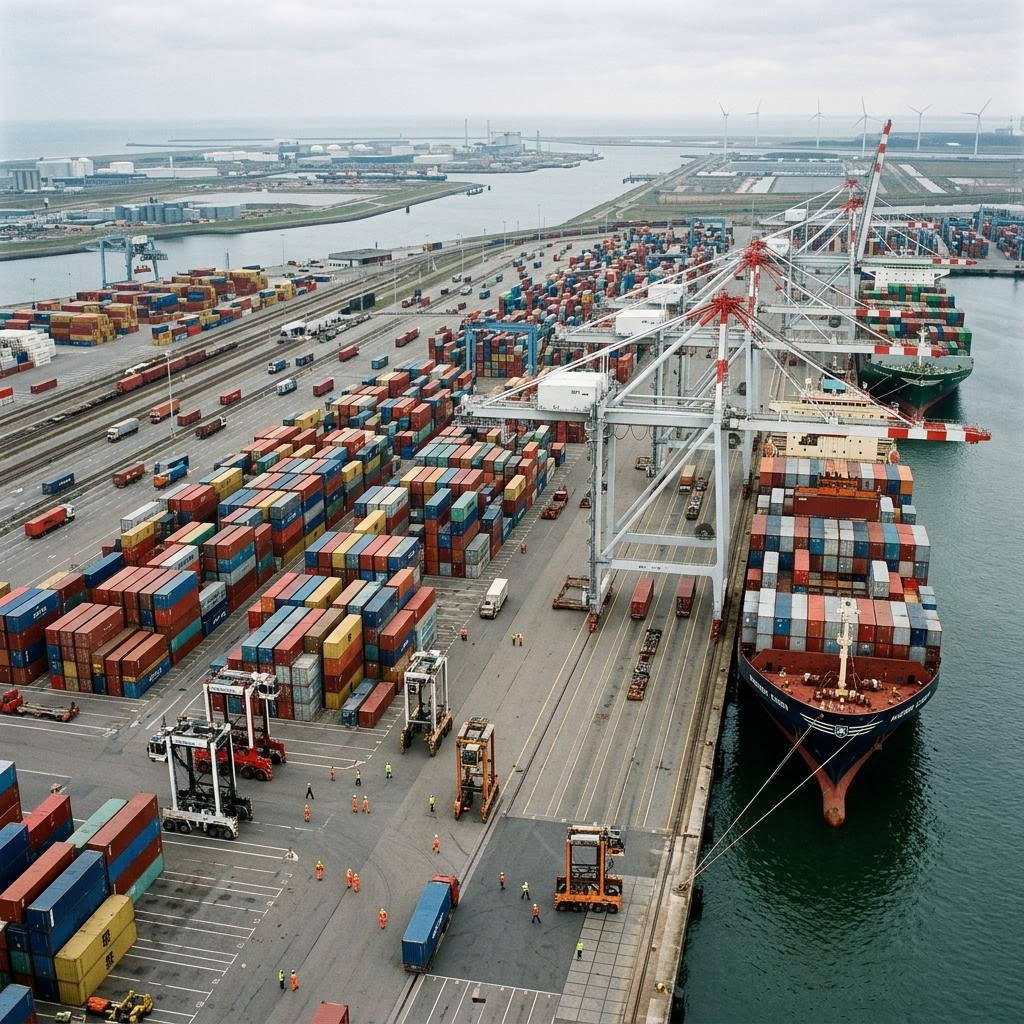
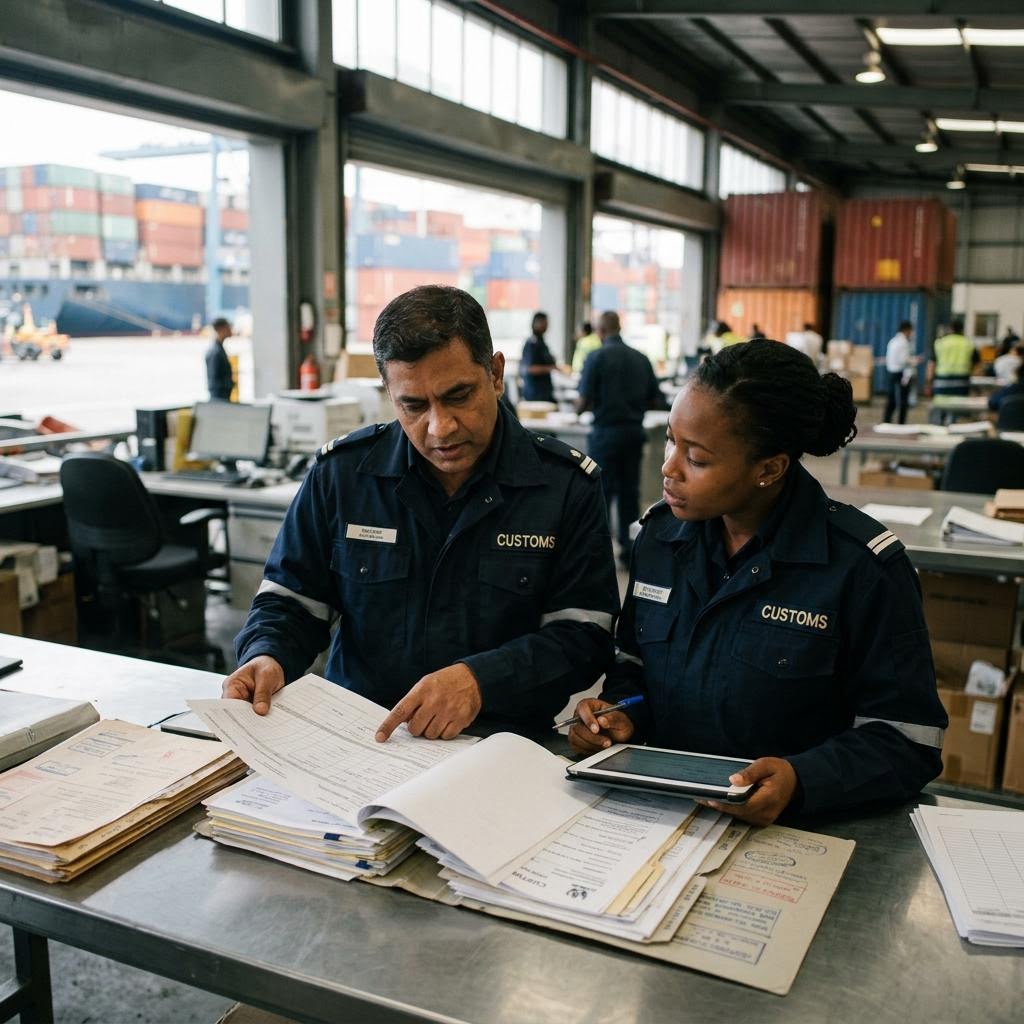
Europe's largest port combines customs data with labour inspectorate intelligence to target shipments and logistics operators for forced labour risk.

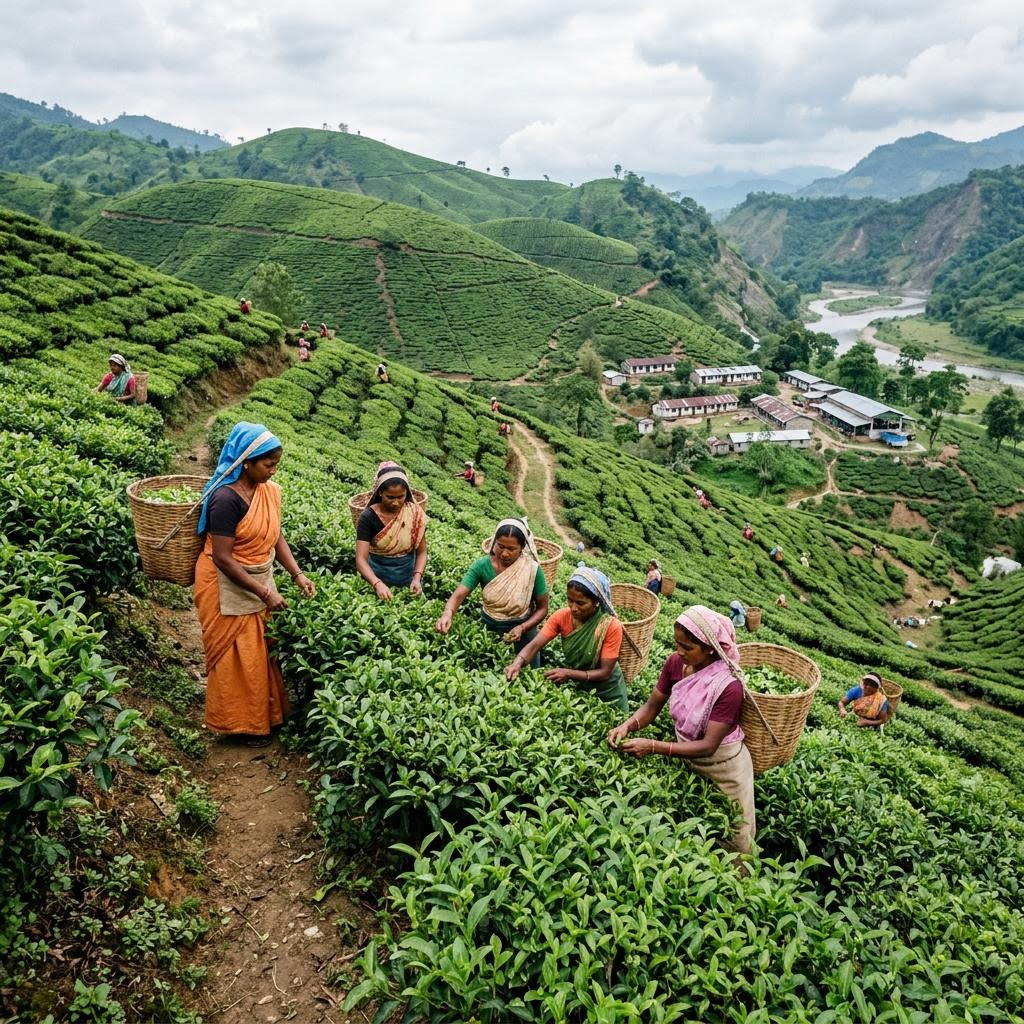
A compact between global tea buyers and Indian producers ties purchase volumes to verified wage payments and housing improvements on plantations.

Large-scale text analysis finds a third of statements share near-identical template language, and quantifies the gap between disclosure and actual due diligence.

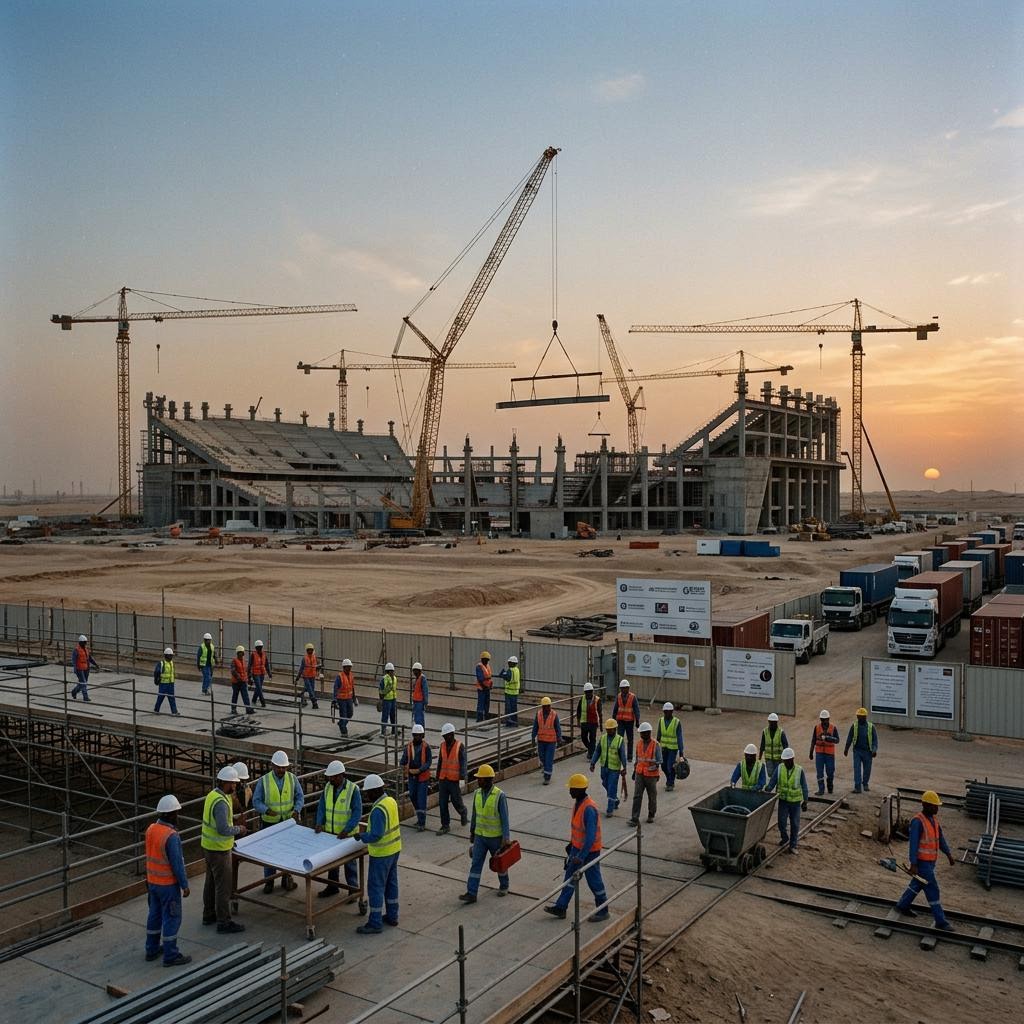
Three years on, independent monitors find wage protections holding but recruitment fee reimbursement stalled, as attention shifts to upcoming mega-events.

A transatlantic agreement lets customs authorities share supplier risk intelligence, closing the arbitrage window between the two import control regimes.

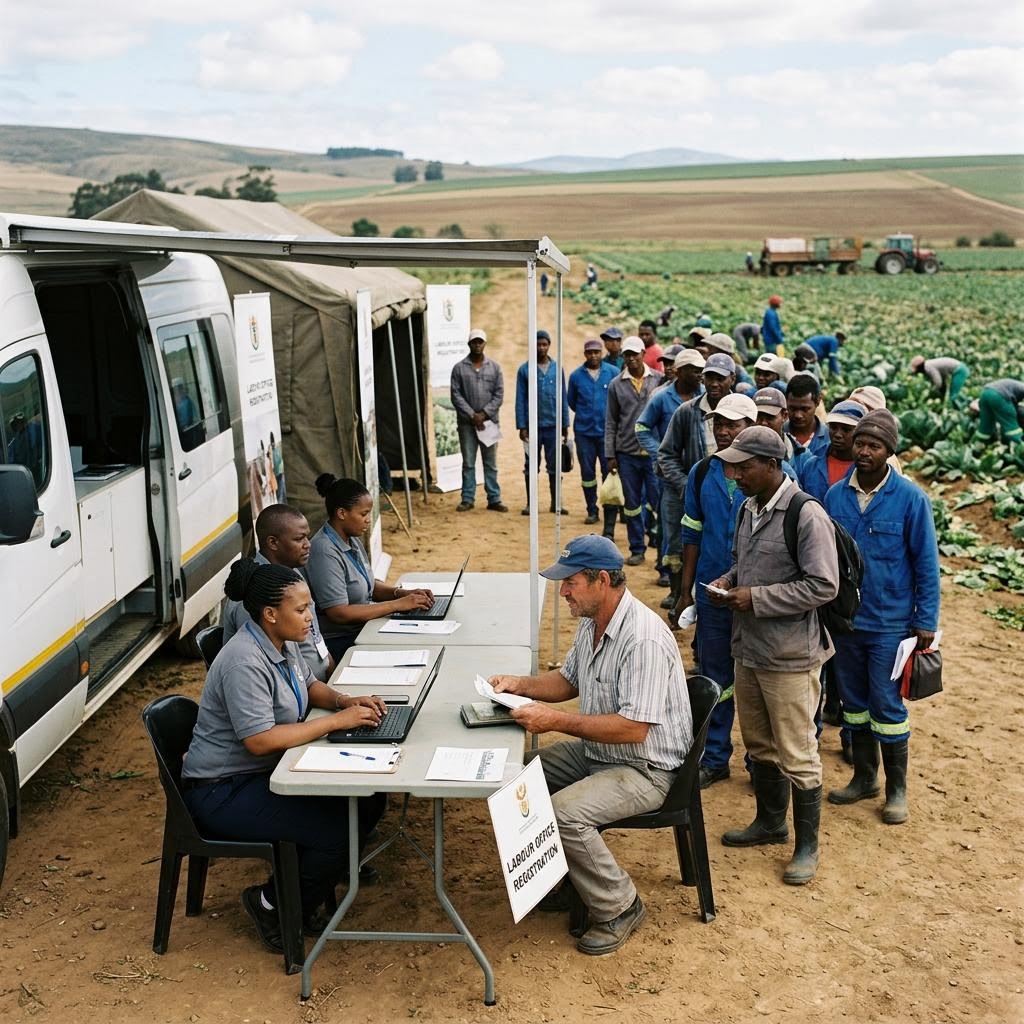
Targeted formalisation programmes in domestic work, agriculture and fishing bring millions of workers under labour law protection for the first time.

Annual transparency benchmarking shows dramatic gains in supply chain visibility, driven by regulation — but raw material origins remain a blind spot.

A decade-long programme covering cosmetics and automotive mica reports child labour monitoring now active in all 1,080 mining villages in the two Indian states.

Financial institutions adapt anti-money-laundering infrastructure to detect payment patterns associated with labour trafficking and exploitative recruitment.

A comprehensive assessment of the interventions deployed since the world pledged to eradicate forced labour finds clear winners, clear failures and a financing gap.